
Mechanical Condition
Rollers, hinges, cables, springs, tracks, and attachment points should be assessed for appropriate condition. Components under tension require professional handling; maintenance is not a reason to attempt adjustments yourself.

Garage Door Maintenance
Plan routine professional care around door condition, usage, and manufacturer guidance.
Small Checks. A Clearer Picture.
A garage door is a moving system with parts that wear together. Routine maintenance offers a chance to identify developing issues, review operation, and discuss repairs before a small concern becomes a larger disruption. Redjamb takes a condition-based approach rather than promising that maintenance prevents every future failure.
A useful visit considers visible hardware, door travel, balance, seals, opener operation, and safety features. The scope depends on the door and manufacturer recommendations. Keep a record of new noises or changes between visits so the next assessment starts with useful information.
Discuss Garage Door Maintenance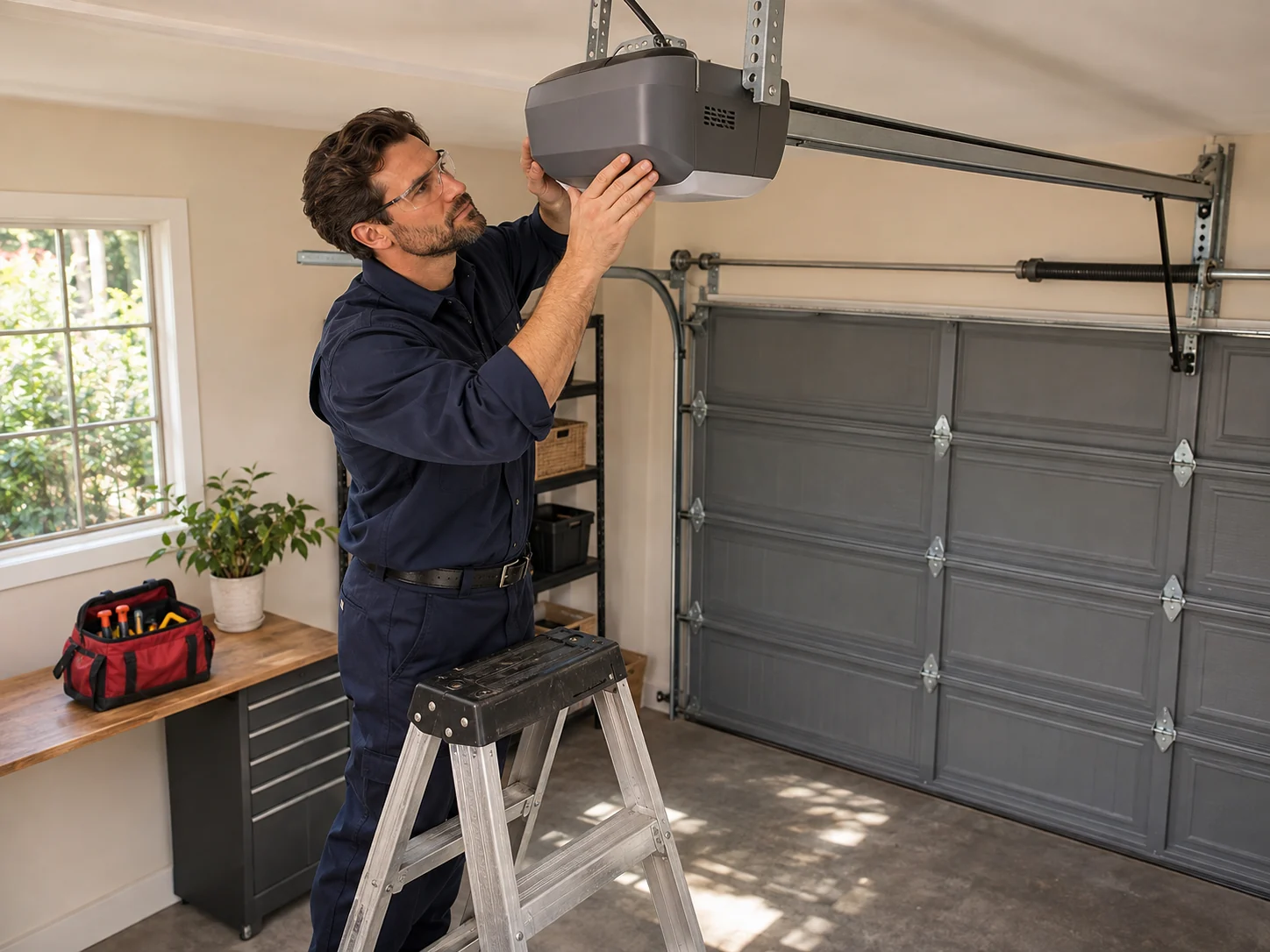
The Details That Matter
Rollers, hinges, cables, springs, tracks, and attachment points should be assessed for appropriate condition. Components under tension require professional handling; maintenance is not a reason to attempt adjustments yourself.
Door movement and protective features need appropriate checks. Controls should be used as intended, and any inconsistent reversal or obstruction response should be addressed rather than bypassed.
A summary of findings helps separate work completed from recommendations for later. Ask which items need attention now, what can be monitored, and what is excluded from the visit.
Working Together
Review symptoms, equipment, access, and the outcome you want.
Explain the options, parts, responsibilities, and work before proceeding.
Carry out the agreed work and review operation and safety features.
Make An Informed Choice
A lightly used residential door and a busy property entrance do not experience the same wear. Exposure, age, operating frequency, and product requirements shape a sensible maintenance plan. Follow the manufacturer’s guidance and arrange an assessment when operation changes rather than waiting for a calendar reminder.
Talk Through Your OptionsBefore We Visit
Share what you know without trying to investigate a potentially unsafe condition. We can discuss the next step from a description of the concern.
Your Questions, Answered
No. Maintenance can identify visible wear and operating issues, but it cannot predict or prevent every failure. Written findings should be specific about what was checked.
The appropriate interval depends on usage, condition, environment, and manufacturer guidance. A professional assessment can help establish a practical schedule.
No. Products and application points vary, and some areas should not be lubricated. Follow the door and opener manufacturer’s instructions or ask for professional guidance.
Keep The Whole Door In View
When a garage door sticks, shakes, or stops at the wrong moment, start with an assessment of the whole system.
Explore ServiceChoose a garage door around your home, daily routine, opening, and long-term priorities.
Explore ServiceProfessional assessment and replacement of garage door springs with attention to door weight and the complete counterbalance system.
Explore ServiceLet’s Make The Next Step Simple
Tell us about your door, your property, and what you want to improve.